Hidden Mold Remediation (Behind Walls) in Sunbury, OH
Hidden mold is removed from wall cavities and behind fixtures in your Sunbury property. Call 24/7 to start your assessment and cleanup.
- Moisture readings before openings
- Contained drywall removal
- Cavity cleaning and drying
Hidden Mold in Sunbury: Mold Remediation Services
Your cleanup reaches mold behind drywall, beneath flooring and around fixtures. Damaged materials are removed under containment; sound framing and cavity surfaces are cleaned and dried.
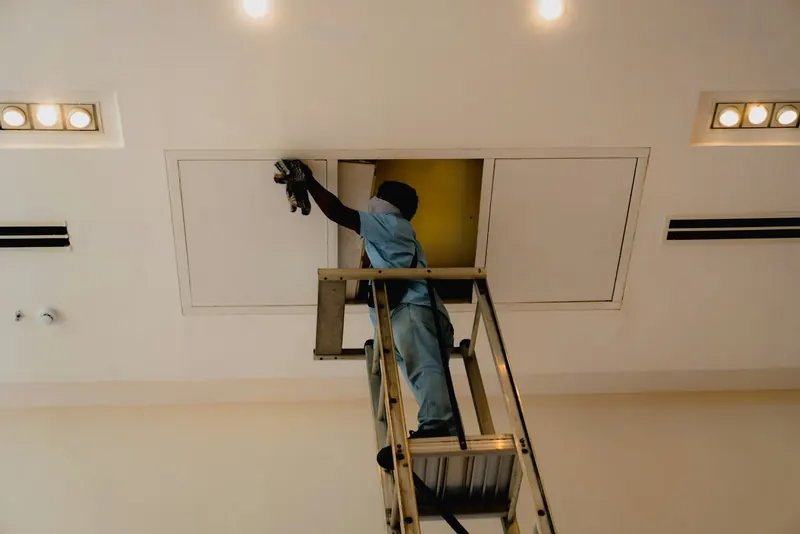
Wet insulation from a hidden leak can sit behind your undamaged finishes. To reveal concealed surfaces, inspection may use a borescope, cut-out access or inspection holes, always establishing containment ahead of any suspect material disturbance.
Your written work plan specifies removal, access and separate repair work. Assessment looks past visible wall stains to consider concealed mold. If opening the wall reveals further damage, it is assessed before removal extends farther.
- Moisture mapping for concealed growth
- Opening Controlled Access Behind Baseboards and Cabinets
- Damaged drywall and insulation removal
- Measured Drying and Wall Cavity Cleaning
- Final checks before replacement finishes
Hidden Mold Signs in Delaware County Properties
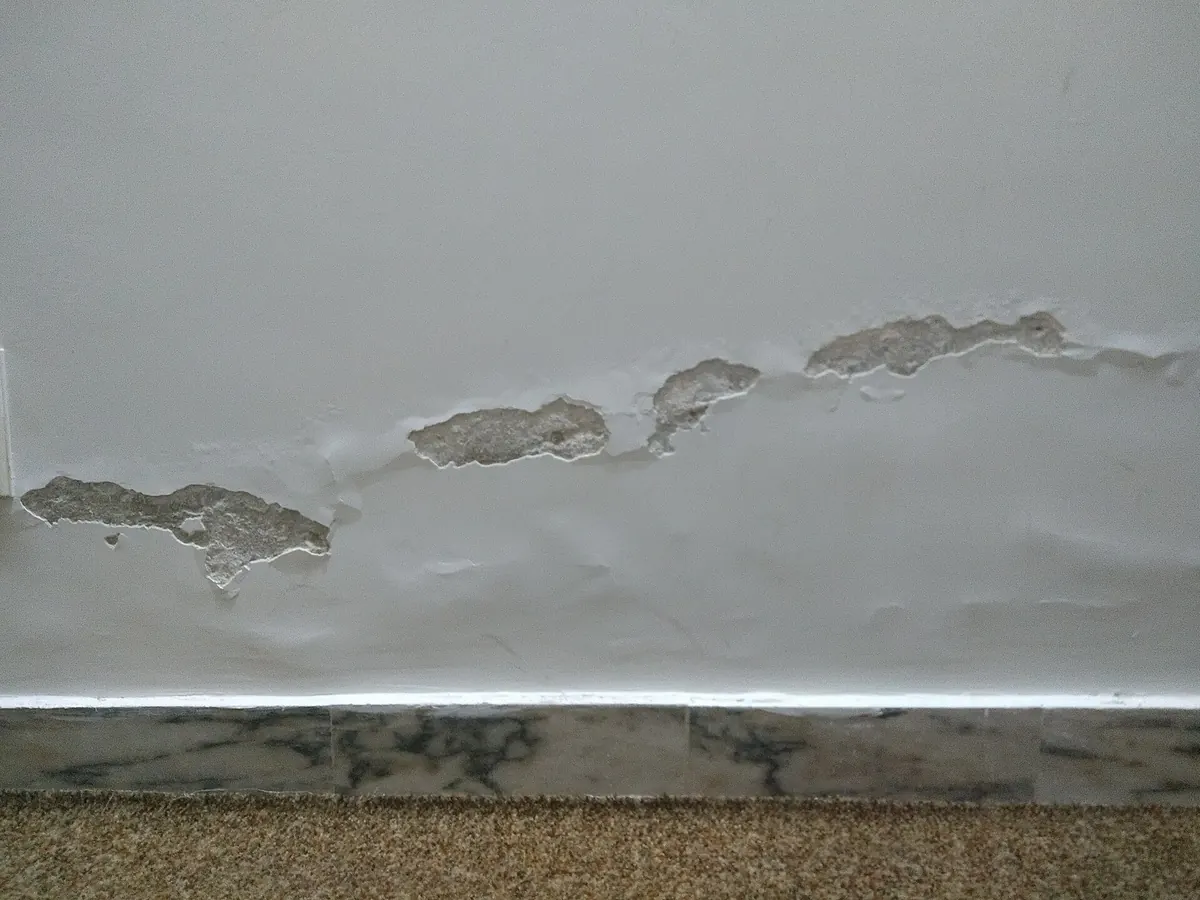
You need an assessment for stains that return, finishes that feel damp or mustiness that persists. Hidden growth is not confirmed by these clues alone.
Loose Wallpaper or Flooring
You may find damp underlayment, wallpaper pulling away or flooring cupping alongside moisture under finishes.
Soft Drywall Near Plumbing
Near your bathroom or sink, drywall feels soft, baseboards swell or paint bubbles.
Near a Finished Wall: A Musty Smell
Clean-looking exposed surfaces do not stop a lingering odor beside your wall or cabinet.
Returning Mold on Walls
Spots return after surface cleaning, with staining or dampness around the same area.
Hidden Mold Exposed During Repairs
Growth on hidden materials becomes visible during cabinet or ceiling repairs.
The Steps of Hidden Mold Remediation
Assessment starts your removal work, followed by cleanup inside containment and then verification.
Hidden Mold Inspection
Your dampness assessment uses a moisture meter for mapping. Mold cannot be identified with a thermal imaging camera, which detects temperature variations.
Hidden Moisture Source and Scope
Before planning openings, the paths of leaks are assessed. Cleanup boundaries, access limits and moisture repairs needed before closing walls are defined in your remediation protocol.
Containment Before Cavity Access
Poly sheeting forms a containment barrier around the opening area. Particle spread during disturbance is limited using protective equipment, a HEPA air scrubber and negative air pressure.
Cavity Cleanup and Mold Removal From Drywall
Through assessed openings, your cleanup crew takes out damaged drywall and insulation plus backing that cannot be cleaned. Debris from your rooms is bagged within containment before removal.
Cavity Surface Cleaning
HEPA vacuum cleaning and damp wiping clean accessible non-porous surfaces and framing that remains sound. Antimicrobial treatment can supplement physical removal where appropriate; removal still has to take place.
Controlled Drying and Moisture Control
Following removal and cleaning, drying equipment supports drying alongside air movers and a dehumidifier. As the water source is corrected, moisture readings monitor drying progress.
Verification and Containment Removal
Agreed post-remediation verification, drying and final cleaning must finish ahead of containment removal. An independent assessor performs clearance testing when specified, and replacement materials follow the final checks.
Your Hidden Mold Remediation Choice: Columbus Mold Removal Services
Hidden Moisture First
Tracing water routes before cleanup brings hidden dampness into the scope of your removal and repair work.
Calls Answered 24/7
Across the metro, begin your mold assessment for concealed growth through one number at any hour.
Contained Cavity Work
A protected debris path works with HEPA filtration and containment to reduce spreading particles during your cavity opening.
Clear Scope Before Opening
Access limits and removal boundaries are established ahead of work, then newly revealed damage is assessed before extending removal.
Removal Through Final Checks
Damaged material is removed, sound surfaces are cleaned and dried, and verification precedes wall closure.
Before Hidden Mold Cleanup in Delaware County
Keep your suspect finishes intact. Phone to schedule an assessment.
- Stop New Water. Avoid electrical equipment that is wet, and stop using the leaking fixture if safe.
- Leave Surfaces Intact. Do not peel wallpaper or cut drywall to investigate.
- Keep People Clear. Prevent children or pets from approaching damaged finishes and affected materials.
- Avoid Spreading Particles. Keep fans from blowing into a suspect cavity, and leave HVAC equipment off if mold contamination is suspected.
- Limit Recent Water Damage. EPA recommends a 24 to 48 hours drying window for water-damaged areas and items to prevent mold growth.
Sunbury, OH: Your Hidden Mold Remediation Cost
Your price depends on access, concealed growth and replacement materials. These published national ranges distinguish removal from drywall repair. Your scope and price are defined before cleanup starts.
For Mold Behind Your Bathroom Tub or Vanity, Up to
$500 to $8,000 per jobSource: Bob Vila, Mold Remediation Cost (cites Angi and HomeAdvisor) (checked 2026-10-23)Post-Removal Drywall Replacement or Repair
$1,000 to $2,900 per jobSource: Servpro, Mold Remediation Cost (checked 2026-10-23)How Your Sunbury Cost Can Change
- Containment and waste route
- Replacement of affected materials
- The Extent and Depth of Hidden Growth
- Moisture source repair
- Fixture removal for access
Hidden Mold Cleanup: Your Price
These published national ranges are planning figures. Your on-site assessment defines the work and price before cleanup starts, including any separate source repairs or rebuilding.
Call (844) 352-3560 about costHidden Mold Remediation (Behind Walls) Service Area Across Greater Columbus
Call (844) 352-3560 to arrange cleanup in Sunbury or nearby communities. One number covers the metro.
Hidden Mold Remediation (Behind Walls) in Locations Near Sunbury
ZIP codes
Frequently Asked Questions About Hidden Mold Remediation (Behind Walls) in Sunbury
Could mold reappear after the wall has been closed?
Unresolved moisture can allow mold to come back. Tracing leaks and dampness begins your cleanup, followed by removal of damaged materials and cleaning of sound surfaces. Cavities are dried and checked before rebuilding. Behind your finishes, conditions that allowed growth decrease with completed source repairs and continued moisture control.
Is the hidden leak fixed as part of cleanup?
The repair needed alongside removal is identified during assessment, which traces the moisture source. Plumbing, roof or window repairs are included only when listed in your scope. Defining separate repairs before cleanup prevents your cavity from being closed with the source of water still unresolved.
While your wall cavities are being cleaned, can you stay home?
Separate living areas and access routes away from the work zone may allow you to stay. Household needs and bathroom access influence that decision, along with shared ventilation. Before removal starts, your assessment sets access restrictions. With some layouts, containment work, cleaning and final checks require you to relocate temporarily.
How much does concealed mold cleanup cost in Delaware County?
The extent of hidden damage and the openings necessary for access affect your cost, together with the materials removed. Published national ranges and their sources appear in the cost cards above. Drying and rebuilding, along with fixture removal, shape your total. Before work begins, cleanup and separate repairs are outlined.
Is mold testing needed before or after opening walls?
Testing is selected for a specific assessment question. Air sampling alone does not locate growth inside a particular wall cavity; inspection and moisture checks guide access. After removal, check that cleaning and drying are complete. An independent assessor conducts any specified clearance testing. No federal limit applies to mold levels inside buildings.
How much time should you allow for hidden mold cleanup in Sunbury?
Your schedule is set after the affected cavities and access needs are assessed. Removing cabinets, opening several wall layers or drying thick framing adds work. Your drying timeframe follows moisture readings. Walls close after final checks; separate repairs to plumbing, drywall or finishes also affect when you can use your room.
Must all of your walls be taken out?
No. Your material condition and the growth extent found through assessment and controlled access determine removal. Adjoining surfaces in sound condition can stay. An affected section may need removal for mold on drywall, but framing that can be cleaned remains after treatment. Finding additional damage can alter the initial boundary.
Ohio Insurance for Hidden Mold Cleanup
Coverage for your claim depends on policy exclusions, the deductible, mold limits and where water came from. Cleanup, rebuilding and fixing the source may each receive a different decision.
Cavity Opening Safety for Hidden Mold in Greater Columbus
Containment reduces the spread of particles as your cavity is opened. Visible staining alone cannot define how much material needs removal.
Mold Color
A mold's color cannot reveal its level of risk, CDC explains.
Sensitive Occupants
CDC notes that allergy symptoms and asthma symptoms can be triggered by mold in some people.
Hidden Mold Dust
Nearby rooms may receive mold spores released by wallpaper peeling or wall opening.
Hidden Cavity Damage
The look of an exposed surface cannot confirm the state of framing or insulation.
Cleanup scope: For areas under about 10 square feet, EPA says homeowner cleanup is often possible. A visible patch cannot establish concealed growth. Larger areas, HVAC involvement or contaminated water call for professional help.
Hidden Mold Materials Cleaned or Removed in Sunbury
Hidden growth is exposed by taking out unsalvageable porous material. After it is cleaned and dried, your sound framing may remain.
Cleanable Cavity Surfaces
- Accessible metal surfaces undergo cleaning and drying, as does sound wood framing.
Damaged Porous Materials
- Removal may be necessary for affected cabinet backing, drywall, insulation and uncleanable layers of flooring.
Replacement Finishes
- New insulation, drywall, trim and paint follow verification when rebuilding is included in your scope.
Hidden Mold Cleanup Across Greater Columbus: Timing
Your cleanup timeline depends on the access needed, drying work and repairs.
- Controlled Access: Removing fixtures and multiple finish layers adds work.
- Cavity Drying: Moisture readings determine readiness for wall closure.
- Completion: Rebuilding and verification influence when rooms reopen.
Odor and Humidity With Hidden Mold in Sunbury
When you notice a musty smell, investigation includes checking moisture. Fragrance cannot clean cavities or tell you the quality of indoor air.
Your indoor relative humidity should ideally be 30 to 50 percent and stay below 60 percent, EPA recommends. Lower room humidity alone cannot repair water leaking behind a wall.
Hidden Mold Cleanup in Ohio: Applicable Requirements
Cavity Work Requirements
Ohio does not appear to have a statewide license for mold inspectors or remediators, and the Ohio Construction Industry Licensing Board covers only electrical, HVAC, plumbing, hydronics and refrigeration contractors. Homeowners can ask any contractor about their training and experience and check local contractor rules.
Repair Permits
Permit requirements depend on the structural, electrical or plumbing work included.
Rental Properties
Ohio's landlord-tenant law (Revised Code 5321.04) says landlords must follow health and safety codes and keep rental premises fit and habitable.
State Mold Information
The Ohio Department of Health has an Emergency Flood Cleanup and Mold page that lists signs of mold and advises fixing the water source. Its Health Assessment Section says it does not offer resources specific to mold cleanup.
State guidance: Ohio Department of Health, Emergency Flood Cleanup and Mold; Ohio Department of Health, Health Assessment Section questions; Ohio Department of Commerce, Residential Property Disclosure Form (eff. 6/2022); Ohio Revised Code 5302.30 (Internet Archive copy of codes.ohio.gov); Ohio Revised Code 5321.04 (Internet Archive copy of codes.ohio.gov); Ohio Department of Commerce, Ohio Construction Industry Licensing Board
Related Services and Next Steps
Start Your Hidden Mold Remediation (Behind Walls) in Sunbury
Call 24/7 to arrange your assessment. Your cleanup starts with the affected surfaces, moisture source and access to your home.